现期刊物2026

卷册: 16, 期号: 8

Apr

20

Apr

5

Mar

20

Mar

5

Feb

20

Feb

5

Jan

20

Jan

5

生物化学

基于荧光法的蛋白脂质体离子转运检测

Fluorescence-Based Ion Transport Assays Using Proteoliposomes

基于荧光法的蛋白脂质体离子转运检测

KR Karthik Ramanadane
EL Elena F. Lehmann
CM Cristina Manatschal
129 Views
Apr 20, 2026
Divalent metal ion transporters are conserved across all domains of life and play essential roles in diverse processes such as manganese acquisition during nutritional immunity in bacteria and iron homeostasis in higher eukaryotes [1–3]. Traditional techniques, such as electrophysiological assays, are often unsuitable due to the slow kinetics of many membrane transporters, electroneutral nature of certain transporter types, and the influence of other proteins with similar activity. To overcome these limitations and to investigate both the activity and ion selectivity of transporters, also including those normally expressed intracellularly, we have developed a fluorescence-based transport assay using purified proteins. This in vitro assay uses encapsulated fluorophores to monitor the movement of divalent metal ions (e.g., Mn2+, Ca2+, Mg2+) or protons across liposomal membranes reconstituted with purified transporter proteins. This approach provides detailed functional insight that complements structural and cellular data.

生物信息学与计算生物学

针对特定基因组学问题的 DNA 语言模型微调与评估工作流程

Workflow for Fine-Tuning and Evaluating DNA Language Models for Specific Genomics Issues

针对特定基因组学问题的 DNA 语言模型微调与评估工作流程

KN Kazuki Nakamae
HB Hidemasa Bono
185 Views
Apr 20, 2026
DNA language models, such as DNABERT-2, have recently enabled the accurate prediction of functional sequence elements across species. However, the practical, protocol-style steps needed to transform these resources into training datasets, fine-tune the official DNABERT-2 model, and evaluate classifier performance have not been explicitly described. Herein, we present a step-by-step computational protocol for preparing training data, fine-tuning DNABERT-2, and evaluating sequence-level binary classifiers using readily available command-line tools. The protocol has been demonstrated using RNA off-target sites induced by cytosine base editors, detected by our PiCTURE pipeline from RNA sequencing (RNA-seq) data, and extended to core promoter prediction using the EPDnew database. We describe how to derive positive and negative sequence sets into DNABERT-2 compatible datasets, and fine-tune the official pretrained model of DNABERT-2 using the datasets. We also demonstrate how to compute the standard performance metrics and compare the model outputs with the baselines. This protocol will help researchers adapt DNA foundation models to new genomic tasks, including the safety assessment of genome editing tools and the functional annotation of regulatory sequences.

生物工程

从设计到实践:利用抗生素抗性标记快速进行大肠杆菌多重基因组工程的系统教程

From Design to Practice: A Comprehensive Tutorial for the Rapid Multiplex Engineering of Escherichia coli Using Antibiotic Resistance Markers

从设计到实践:利用抗生素抗性标记快速进行大肠杆菌多重基因组工程的系统教程

SM Shubhika Munot
SL Shuai Li
JH Jennifer N. Hennigan
EM Eirik A. Moreb
ML Michael D. Lynch
RM Romel Menacho-Melgar
72 Views
Apr 20, 2026
Engineering of microbial cells, including E. coli, is essential in prototyping genetic designs used in numerous applications throughout synthetic biology. While many advanced genome editing tools, such as CRISPR-based tools, offer new capabilities with genetically recalcitrant organisms, these tools often do not offer an immediate advantage in readily manipulated microbes, such as E. coli, especially when scarless modifications are not critical. We describe a comprehensive recombineering tutorial that we commonly use for multiplex engineering of E. coli using antibiotic markers. We leverage a group of 15 antibiotic resistance cassettes, most of which can be readily included when designing double-stranded DNA donors intended for recombineering and purchased from several vendors. Using these methods, 10–15 defined modifications to a single host strain can be achieved in less than three weeks, using two-day editing cycles. We discuss sequences and protocols as well as the optimal design of genetic modifications and the associated DNA.

生物物理学

支持脂质双层上肌动蛋白网络组装的光学调控

Optical Control of Actin Network Assembly on the Supported Lipid Bilayer

支持脂质双层上肌动蛋白网络组装的光学调控

KY Kei Yamamoto
MM Makito Miyazaki
144 Views
Apr 20, 2026
The spatiotemporal dynamics and density of actin networks are key determinants of actin cytoskeleton–mediated cellular functions. In vitro reconstitution systems have been widely used to study actin cytoskeletal dynamics; however, many existing approaches offer limited flexibility in controlling the geometry, thickness, and density of the assembled actin networks. Here, we present an in vitro optogenetic protocol that enables precise control of actin network assembly on supported lipid bilayers using an improved light-induced dimer (iLID)-SspB-based light-inducible dimerization system. In this system, His-mEGFP-iLID is anchored to a Ni-NTA-containing lipid bilayer, while SspB-mScarlet-I-VCA, a nucleation-promoting factor fused with SspB, together with other actin cytoskeletal proteins, is supplied in bulk solution. Upon blue light illumination, SspB-mScarlet-I-VCA is recruited to the membrane in a spatially and temporally defined manner, inducing localized actin polymerization. By tuning illumination patterns and duration, actin networks with defined density, thickness, and geometry can be generated, and polymerization can be rapidly halted by stopping illumination. This protocol provides a versatile platform for reconstructing actin networks with controlled spatial organization and density, enabling quantitative analysis of density-dependent interactions between actin networks and actin-binding proteins.
基于晶体浸泡的蛋白靶点晶体学片段筛选流程:以曼氏血吸虫硫氧还蛋白-谷胱甘肽还原酶为例

Workflow for Crystallographic Fragment Screening by Crystal Soaking for Protein Targets: A Case Study on Thioredoxin Glutathione Reductase From Schistosoma mansoni

基于晶体浸泡的蛋白靶点晶体学片段筛选流程:以曼氏血吸虫硫氧还蛋白-谷胱甘肽还原酶为例

LN Lauro R. S. Neto
BM Bogar O. Montoya
JB José Brandão-Neto
KP Kelly Parker
FV Frank von Delft
NF Nicholas Furnham
RO Raymond J. Owens
FS Floriano P. Silva-Jr
137 Views
Apr 20, 2026
Among the biophysical techniques used in fragment-based drug discovery (FBDD) campaigns, crystallography is the most sensitive, allowing for the identification of low-affinity ligands and the characterization of protein–ligand complexes at atomic resolution. Although powerful, the proper application of this technique depends on obtaining crystals capable of diffracting X-rays at high resolution. Additionally, in crystallographic compound screening, the crystals must be resistant to multiple organic solvents used in chemical libraries, such as DMSO. In this protocol, we describe recombinant protein production suitable for crystallization and procedures for X-ray crystallographic screening of a library of 768 fragments. As a case study, we used the Schistosoma mansoni thioredoxin glutathione reductase (SmTGR), a redox enzyme with a key role in controlling oxidative stress in parasites of the Schistosoma genus, which causes schistosomiasis. As a validated pharmacological target, SmTGR is used in the development of new schistosomicidal drugs. The experimental pipeline includes SmTGR expression, purification, and crystallization, crystal soaking, diffraction data collection, and refinement. The 768 fragments from the Diamond-SGC Poised Library (DSPL) were individually soaked onto the crystals, and diffraction data were collected and processed at the I04-1 beamline of the Diamond Light Source synchrotron. Diffraction data were subsequently analyzed using PanDDA to identify fragment-binding events and to enable reliable detection of low-occupancy ligands within the protein crystal structures. In addition to the core experimental steps, this protocol incorporates systematic approaches to overcome limitations frequently encountered in crystallographic screening campaigns, including assessment of crystal solvent tolerance, acceleration of crystal mounting through the use of auxiliary devices, acoustic dispensing–based soaking of hundreds of fragments for low material consumption and high throughput, automated data collection, and efficient data analysis pipeline for the detection of weakly bound ligand. This protocol can be broadly applied to screen diverse compound sets against multiple targets amenable to crystallization.
适用于常规宽场表面荧光/全内反射荧光系统的优化 STORM 成像流程

Accessible STORM Imaging: An Optimized Workflow for Conventional Widefield Epifluorescence/TIRF Setups

适用于常规宽场表面荧光/全内反射荧光系统的优化 STORM 成像流程

JF Jaime Fernández de Córdoba
AO Ana Oña
GD Gianluca D’Agostino
117 Views
Apr 20, 2026
Stochastic optical reconstruction microscopy (STORM) is a single-molecule localization microscopy technique that enables visualization of cellular structures beyond the diffraction limit. This approach has revealed previously inaccessible ultrastructural details in a wide range of cellular components, including the actin cytoskeleton, clathrin-coated pits, mitochondria, and bacterial nucleoid-associated proteins. STORM relies on the sequential emission of single photons from photosensitive fluorophores, which are precisely localized before entering a dark state or undergoing photobleaching. By activating fluorophores individually and fitting their point spread functions (PSFs), the center of mass can be calculated with a localization precision of up to ~20 nm. The parallel detection of thousands of single-molecule events, each assigned to distinct spatial coordinates, enables the reconstruction of a high-resolution image. Here, we describe a simple and efficient STORM workflow—including sample preparation, image acquisition, and quality control measurements—that we used to visualize various subcellular structures, such as mitochondria, microtubules, and lysosomes labeled with the commonly employed cyanine dye Alexa Fluor 647, as well as the actin cytoskeleton stained with Alexa Fluor 488–conjugated phalloidin. Image acquisition was performed using a conventional epifluorescence/total internal reflection (TIRF) microscope adapted for STORM imaging. Key adaptations included the use of a 160×/1.43 NA oil-immersion objective and a high-power mode, which concentrates the laser beam onto a small region of the sample, ensuring sufficient light intensity to drive fluorophores into the dark state. In addition, implementing a 1.6× magnification lens and a 4×4 binning camera mode allowed us to achieve a 100-nm pixel size optimal for reliable molecule detection. We believe that this protocol will be highly valuable to the microscopy community, as it lowers technical barriers to performing STORM on widely available microscopy platforms, thereby facilitating broader implementation of this powerful super-resolution technique.

癌症生物学

基于 epi-TK 检测法定量评估化学暴露诱导的表观遗传改变

Quantifying Epigenetic Changes Induced by Chemical Exposure Using the epi-TK Assay

基于 epi-TK 检测法定量评估化学暴露诱导的表观遗传改变

SK Shiro Kuroki
HY Haruto Yamada
MO Mizuki Odagiri
KS Kei-Ichi Sugiyama
MY Manabu Yasui
AS Akira Sassa
85 Views
Apr 20, 2026
Epigenetic modifications play essential roles in regulating gene expression and maintaining cellular identity. Accumulating evidence suggests that chemical agents can contribute to carcinogenesis through epigenetic alterations, such as changes in DNA methylation and histone modifications, even in the absence of direct DNA damage. Here, we have developed a simple, cost-effective, and quantitative reporter assay, termed the epi-TK assay, to evaluate chemically induced epigenetic alterations. The assay is built upon the thymidine kinase (TK) gene mutation assay, a standardized and widely used in vitro genotoxicity assay for chemical safety evaluation. This system is based on an engineered human lymphoblastoid cell line (mTK6), in which the promoter region of the endogenous housekeeping TK gene is site-specifically methylated using epigenome-editing technology, resulting in stable transcriptional repression. Following chemical exposure, epigenetic perturbations at the TK locus are detected by culturing cells under hypoxanthine–aminopterin–thymidine selection and quantifying the frequency of TK revertant colonies, which reflects restoration of TK gene expression. Using the DNA methyltransferase 1 inhibitor GSK3484862 as a model compound, this protocol demonstrates that the epi-TK assay enables sensitive and quantitative detection of epigenetic state transitions. Importantly, this assay allows bi-directional detection of epigenetic changes, including DNA demethylation events and broader alterations in histone modification landscapes. Together, the epi-TK assay provides a practical and quantitative platform for evaluating epigenetic toxicity, with potential applications in chemical safety assessment frameworks.
用于活细胞侵袭性伪足成像的轴向侵袭小室制备与组装

Preparation and Assembly of the Axial Invasion Chamber for Live-Cell Invadopodia Imaging

用于活细胞侵袭性伪足成像的轴向侵袭小室制备与组装

MG Mark Garewal
KM Kenneth A. Myers
75 Views
Apr 20, 2026
Metastasis is initiated by cell invasion of the basement membrane, facilitating cell migration and colonization at a secondary tumor site. Cancer cells remodel the cytoskeleton to form ventral protrusions, termed invadopodia, that traffic and deliver matrix metalloproteases to degrade the extracellular matrix. Traditional efforts have utilized immunolabeling to measure protein localization within invadopodia, an approach limited by reduced temporal resolution, logistical challenges in orienting invadopodia within the focal plane of the objective lens, and impaired ability to reconstitute physiological conditions. Here, we describe a protocol for constructing and utilizing the axial invasion chamber (AIC) to perform live-cell 3D visualization of mature elongating invadopodia under physiological conditions. The AIC is simple to build, using standard 35 mm glass-bottom dishes that suit most microscope stage holders. A polyester membrane is used to uniformly orient and promote invadopodia formation and restrict cell migration. The AIC extracellular matrix is composed of readily available reagents that have been optimized to facilitate cell adhesion and invadopodia maturation. Critical advances of the AIC include imaging and measurements of protein localization without immunolabeling, imaging of live cell invadopodia using conventional inverted microscopes, and production of a fully operational apparatus within 28 h from initial assembly. While the protocol has been used for live-cell invadopodia protein localization and structure, it provides an opportunity to interchange components of the polyester membrane and/or the extracellular matrix to optimize the device for a variety of different cell types and cell invasion studies.

细胞生物学

基于 TEER 与 FITC-葡聚糖通透性检测的上皮屏障完整性评估方案

Assessment of Epithelial Barrier Integrity by TEER and FITC-Dextran Permeability Assays

基于 TEER 与 FITC-葡聚糖通透性检测的上皮屏障完整性评估方案

YK Yagmur Keser
SB Steeve Boulant
MS Megan L. Stanifer
119 Views
Apr 20, 2026
The integrity of epithelial barriers is essential for maintaining tissue homeostasis, particularly in the intestinal tract, where it separates the host from the complex luminal environment. Two complementary, standard methods for assessing this barrier are transepithelial electrical resistance (TEER), which provides a rapid, non-destructive measure of ionic conductance across tight junctions, and the fluorescein isothiocyanate (FITC)-dextran assay, which directly quantifies paracellular macromolecule flux. This protocol details a robust and reproducible method for performing both assays using intestinal epithelial cell monolayers (e.g., Caco-2, T84) cultured on permeable Transwell supports. We outline the procedure from cell culture and monolayer differentiation to TEER measurement with an Epithelial Volt/Ohm Meter 3 (EVOM3) and the subsequent FITC-dextran permeability assay. By combining these techniques, this protocol provides a comprehensive assessment of barrier function, making it ideal for studying tight junction dynamics and regulation under various experimental conditions, such as cytokine stimulation, drug screening, or microbial challenges.

免疫学

利用 CRISPR-Cas9 构建携带单核苷酸多态性的单核细胞系实验方案

Protocol for Using CRISPR-Cas9 to Generate a Monocyte Cell Line Harboring a Single-Nucleotide Polymorphism

利用 CRISPR-Cas9 构建携带单核苷酸多态性的单核细胞系实验方案

AM Amar Chandra Mahatha
OR Octavio Ramos-Espinosa
DD Dhemerson Souza de Lima
EL Ethan Y. Liu
SV Sarah Vaidyan
JL Jianguo Liu
131 Views
Apr 20, 2026
We established a step-by-step approach for generating a single-nucleotide mutation in the promoter region of an immune regulatory gene in human monocyte THP-1 cells by employing a plasmid-based CRISPR-Cas9 system delivered via transfection with a homology-directed repair template DNA (HDR). Key steps include designing a single-guide RNA (sgRNA), cloning it into a CRISPR plasmid encoding the Cas9 protein, transfection of the plasmid constructs along with single-stranded oligonucleotide repair template (ssODNs) into THP-1 cells, followed by selection and validation. This approach provides a precise and relevant model to investigate the role of single polymorphisms in the regulation of inflammatory gene expression in human monocytes. In addition to the rs1024611 single-nucleotide polymorphism (SNP), this CRISPR/Cas9-based strategy is broadly applicable to functional studies of noncoding and coding variants in innate immune genes.
基于成像流式细胞术的小鼠脾脏自然杀伤细胞定量分析方法

Quantitative Analysis of Splenic Natural Killer Cells of Mice Using Imaging Flow Cytometry

基于成像流式细胞术的小鼠脾脏自然杀伤细胞定量分析方法

MA Mohammad N. Amin
Md. Saqline Mostaq Md. Saqline Mostaq
MU Mohammad B. Uddin
Yong-Yu Liu Yong-Yu Liu
111 Views
Apr 20, 2026
Natural killer (NK) cells are crucial innate immune effectors, mediating cytotoxicity against cancer and infected cells through receptors such as NKG2D. Reliable quantification of NK cell subsets is essential for evaluating NK cell-based immune responses in cancer research. Unlike other assays, including traditional flow cytometry used in assessing NK cells, imaging flow cytometry (IFC) is a simple and direct method for quantitative analysis of NK cells. This protocol describes the necessary procedures, including harvesting splenocytes, acquiring these cells labeled with NKG2D antibodies, and analyzing IFC data with IDEAS® software. We applied this protocol to quantitatively assess the number of splenic NKG2D+ NK cells in mice injected with SVTneg2 cancer cells (which carry the p53 G242A missense mutation) and compared them to mice injected with EMT6 cancer cells (which have wild-type p53) or normal fibroblasts. We found that the SVTneg2 cancer cells significantly decreased the number of NKG2D+ NK cells in mice by approximately 2-fold (933 cells vs. 2360 cells, p
一种用于自然杀伤细胞嵌合抗原受体基因转导的无饲养细胞培养体系

A Feeder Cell-Free System for Chimeric Antigen Receptor Gene Transduction Into Natural Killer Cells

一种用于自然杀伤细胞嵌合抗原受体基因转导的无饲养细胞培养体系

NK Nobuhiro Kubo
MB Minori Baba
YS Yuko Suzuki
YK Yasushi Kasahara
RH Ryosuke Hosokai
MI Masaru Imamura
AS Akihiko Saitoh
CI Chihaya Imai
74 Views
Apr 20, 2026
Anti-CD19 chimeric antigen receptor (CAR)-natural killer (NK) cells are expected to demonstrate anti-CD19 CAR-T-cell-like efficacy against relapsed and refractory B-cell malignancies and autoimmune diseases, with fewer adverse events and the added advantage of permitting the use of allogeneic cells. However, the methodology for generating CAR-NK cells remains under development. Although various cell sources and expansion methods are available, feeder cells derived from cancerous tissue have been most commonly employed to promote ex vivo expansion of NK cells. In the protocol described herein, NK cells are expanded from adult peripheral blood mononuclear cells using CD2- and NKp46-specific stimulating antibodies in combination with multiple cytokines. The activated NK cells can be genetically modified using a retroviral vector. Subsequent culture of these cells yields large numbers of anti-CD19 CAR-NK cells. The current method, which enables feeder-free, large-scale generation of anti-CD19 CAR-NK cells, eliminates the risk of tumor cell contamination and may facilitate safer clinical application.

医学

利用胰管内递送腺相关病毒载体调控小鼠胰腺中的基因表达

Manipulation of Gene Expression in Mouse Pancreas via Intraductal Delivery of Adeno-Associated Viral Vectors

利用胰管内递送腺相关病毒载体调控小鼠胰腺中的基因表达

GS Galina Soukhatcheva
LS Liam Stanley
LD Lei Dai
MK Mitsuhiro Komba
VA Volodymyr Andriiets
JJ James D. Johnson
BV Bruce C. Verchere
YC Yi-Chun Chen
90 Views
Apr 20, 2026
The rising global incidence of pancreatitis, pancreatic cancer, and diabetes has increased the need for efficient in vivo gene manipulation approaches to study the pancreas and develop new therapies. Although transgenic mouse models are widely used, they are time-consuming and costly to generate and maintain. Systemic viral delivery methods offer greater flexibility but often lack pancreatic specificity and require high viral doses. Here, we describe a streamlined protocol for intrapancreatic ductal delivery of adeno-associated viruses (AAVs) for targeted gene delivery. Our protocol requires standard surgical equipment and can be implemented in most laboratories. Specifically, we adopted a clamping strategy at the hepatopancreatic duct near the liver, as well as beneath the major duodenal papilla at the duodenum. This strategy exposes the duodenal papilla, facilitating viral delivery, preventing backflow, and enabling efficient pancreatic transduction at lower viral doses. Overall, this method provides a fast, simple, and effective approach for pancreas-targeted gene manipulation, facilitating preclinical studies of pancreatic biology and disease.

微生物学

在大肠杆菌中高效、定点掺入 3-硝基酪氨酸至重组蛋白中的方案

Efficient and Site-Specific Incorporation of 3-Nitro-Tyrosine Into Recombinant Proteins in Escherichia coli

在大肠杆菌中高效、定点掺入 3-硝基酪氨酸至重组蛋白中的方案

SM Sarah B. McGee
SS Stanislau Stanisheuski
RM Ryan A. Mehl
RC Richard B. Cooley
91 Views
Apr 20, 2026
3-nitro-tyrosine (nitroTyr) is one of numerous oxidative protein modifications implicated in diseases such as cardiovascular disease, cancer, and amyotrophic lateral sclerosis (ALS). Because of this, the ability to site-specifically encode nitroTyr into recombinant proteins is a powerful approach for studying these disease pathways. However, producing proteins with defined nitration sites is technically challenging due to the limitations of traditional chemical nitration via peroxynitrite, which lacks residue and site-specificity. Genetic code expansion (GCE) offers a solution by enabling precise incorporation of nitroTyr at designated TAG codons using engineered aminoacyl-tRNA synthetase/tRNA pairs from Methanocaldococcus jannaschii and Methanomethylophilus alvus. This protocol provides a reliable, optimized workflow for incorporating nitroTyr into proteins in E. coli using GCE. It guides users through key considerations in selecting cell lines, media conditions, and GCE systems to minimize off-target effects such as release factor 1 competition, near-cognate suppression, and chemical reduction of nitroTyr. The method is demonstrated using wild-type and TAG-containing superfolder GFP but is broadly applicable to other proteins of interest.
TIE-UP-SIN:一种提高蛋白质相互作用鉴定效率的方法

TIE-UP-SIN: A Method for Enhanced Identification of Protein–Protein Interactions

TIE-UP-SIN:一种提高蛋白质相互作用鉴定效率的方法

MS Maximilian Schedlowski
SM Stephan Michalik
TH Tilly Hoffmüller
MH Marco Harms
LS Leif Steil
KS Kristin Surmann
CH Christian Hentschker
MS Manuela Gesell Salazar
UV Uwe Völker
AR Alexander Reder
55 Views
Apr 20, 2026
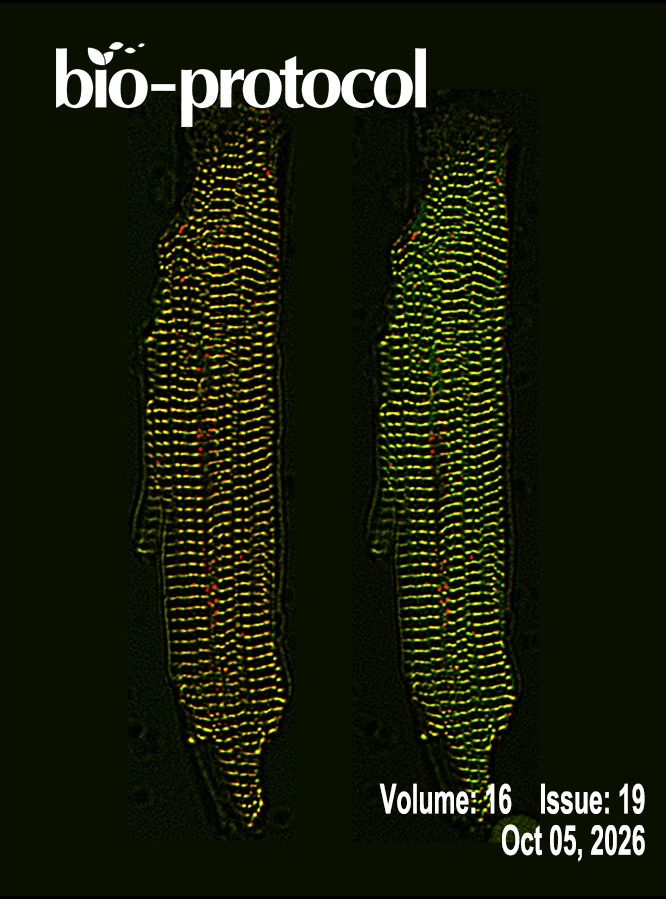
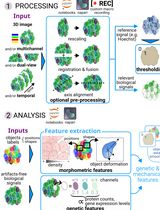
Protein–protein interactions (PPIs) govern nearly all aspects of cellular physiology, yet identifying these interactions under native conditions remains challenging. Here, we present TIE-UP-SIN (targeted interactome experiment for unknown proteins by stable isotope normalization), a robust method for in vivo identification and quantification of PPIs in bacterial systems. The protocol combines metabolic labeling with 15N isotopes, reversible formaldehyde crosslinking, affinity purification, and quantitative mass spectrometry. TIE-UP-SIN preserves transient or weak interactions during purification and quantifies interaction partners using internal light/heavy peptide ratios, reducing experimental variability. The method employs a triple-sample design to distinguish specific from nonspecific interactors and can be adapted to various bacterial species and affinity tags. Data analysis is streamlined through a user-friendly web application (https://shiny-fungene.biologie.uni-greifswald.de/TIE_UP_SIN_app) that automates statistical analysis, normalization, and visualization, requiring no programming expertise. The entire workflow from cell culture to mass spectrometry data acquisition takes approximately 4–5 days, with data analysis completed in 1–2 days using the web application.

植物科学

拟南芥根中过氧化氢的空间定位成像及定量分析:从样品制备到图像分析

Spatial Imaging and Quantification of Hydrogen Peroxide in Arabidopsis Roots: From Sample Preparation to Image Analysis

拟南芥根中过氧化氢的空间定位成像及定量分析:从样品制备到图像分析

MF Mario Fenech
VA Vitor Amorim-Silva
186 Views
Apr 20, 2026
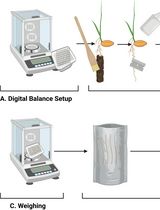
Reactive oxygen species (ROS) are central regulators of plant development and stress responses, with hydrogen peroxide (H2O2) acting as a key signaling molecule whose spatial distribution determines adaptive versus damaging outcomes. Accurate detection of H2O2 at tissue and cellular resolution is therefore essential for understanding redox-dependent regulation of plant growth. A variety of techniques have been used to monitor H2O2, including bulk spectrophotometric and fluorometric assays, genetically encoded sensors for real-time measurements, and chemical probes for in situ detection. While these approaches differ in sensitivity, specificity, and temporal resolution, many are limited by a lack of spatial information, technical complexity, or dependence on transgenic material. Here, we present a detailed protocol for 3,3′-diaminobenzidine (DAB)-based histochemical detection of H2O2 in seedling roots, covering staining, imaging, and semi-quantitative image analysis using open-source software (FIJI/ImageJ). The method relies on peroxidase-mediated oxidation of DAB, resulting in a stable, light-resistant, and insoluble precipitate that enables visualization of H2O2 accumulation with high spatial resolution. This protocol provides a robust, accessible, and genetically independent approach for spatial analysis of H2O2 in plant tissues. Its simplicity, compatibility with diverse genotypes and treatments, and suitability for semi-quantitative analysis make it a valuable tool for examining the spatial distribution of H2O2, thereby providing spatial insight into redox-related regulatory processes during plant development and stress responses.
采用手工匀浆与剪切力匀浆法分离芦荟来源细胞外囊泡的逐步实验方案

A Step-by-Step Protocol for the Isolation of Aloe vera–Derived Extracellular Vesicles via Manual and Shear-Force Homogenization

采用手工匀浆与剪切力匀浆法分离芦荟来源细胞外囊泡的逐步实验方案

MC M. Camila Ceballos-Santa
IS Isabella Sanchez-Ortiz
TG Thomas R. Gaborski
KW Karin Wuertz-Kozak
71 Views
Apr 20, 2026
Aloe vera has long been used for its diverse pharmacological properties, motivating continued interest in isolating and preserving the bioactive molecules responsible for its therapeutic potential. More recently, Aloe vera–derived extracellular vesicles (Av-EVs) have emerged as nanoscale, cell-free carriers capable of retaining and delivering these properties, making them attractive for various biomaterials, nanomedicine, and regenerative medicine applications. Multiple techniques are available for extracellular vesicle isolation. These include ultracentrifugation, polymer-based precipitation, size-exclusion chromatography, immunoaffinity capture, ultrafiltration, density gradient separation, and emerging microfluidic platforms. Each method presents distinct trade-offs in purity, yield, scalability, and downstream compatibility. Despite this diversity, standardized workflows tailored to Av-EV isolation remain limited, and the influence of homogenization-induced shear forces and plant maturity on vesicle recovery and characterization has not been systematically addressed. Here, we present a reproducible protocol for isolating Av-EVs from Aloe vera gel employing two distinct homogenization strategies: manual, no-shear force (NB EVs), and blender-based shear-force homogenization (B EVs). The workflow covers gel preparation, serial centrifugation for debris removal, ultracentrifugation as the gold standard for vesicle enrichment, and final sterile filtration. This protocol enables consistent recovery of Av-EVs suitable for physicochemical characterization and functional analyses. It is simple and relies on commonly available laboratory equipment, facilitating broad adoption by ultracentrifugation users and offering adaptability to diverse research projects involving purified Aloe vera gel and Av-EVs, including studies focused on wound healing, fibrotic scarring, and regenerative processes, where coordinated antioxidant, anti-inflammatory, antimicrobial, immunomodulatory, and moisturizing responses are of interest.